The History of the Thoroughbred: How Breeding Laid the Foundation for Modern Horse Racing

The History of the Thoroughbred: How Breeding Laid the Foundation for Modern Horse Racing
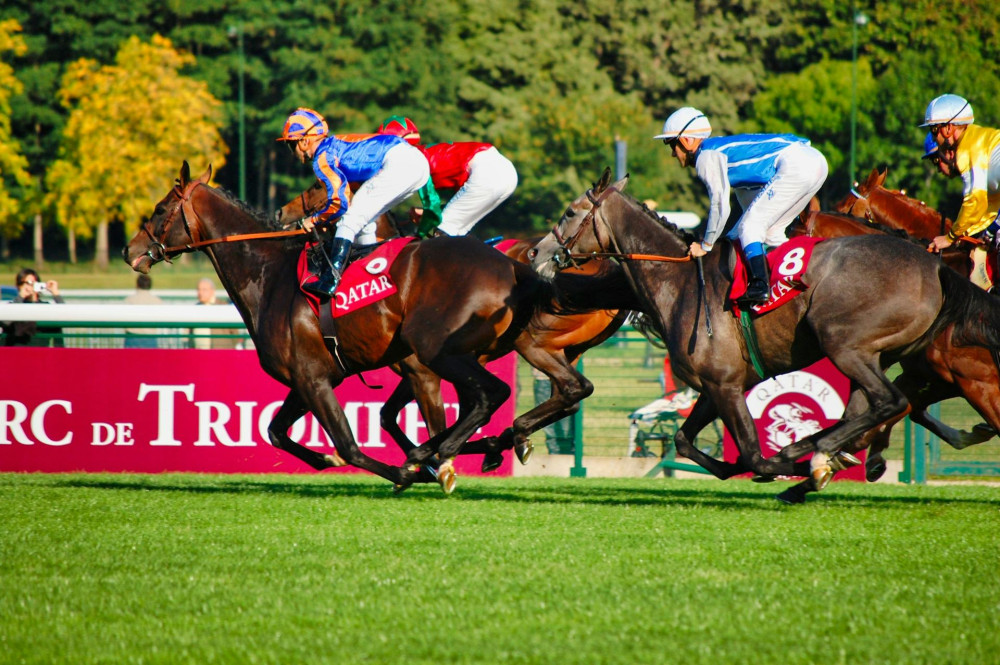
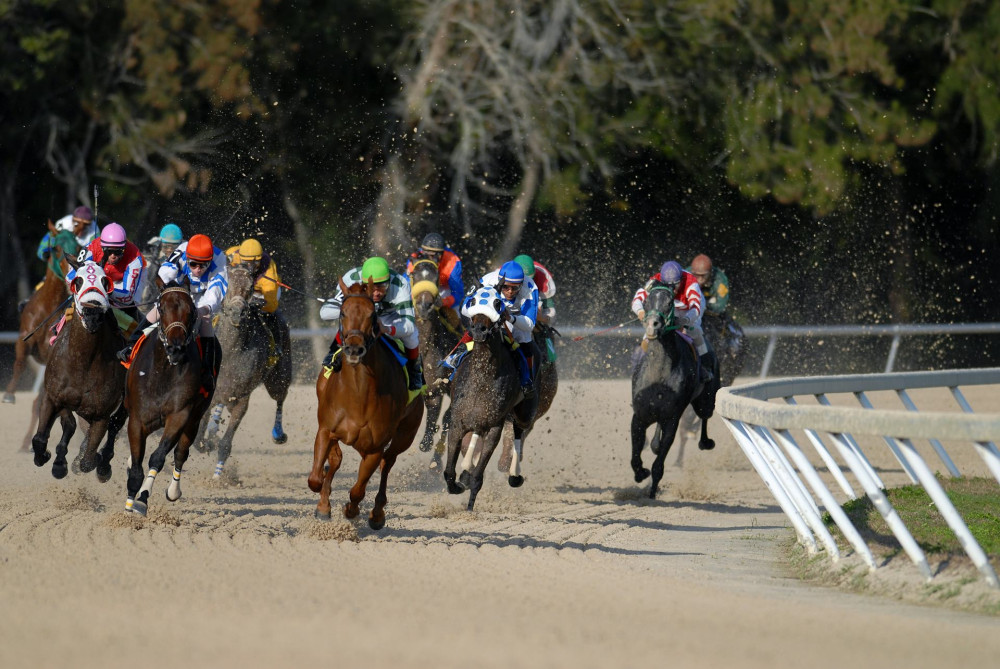
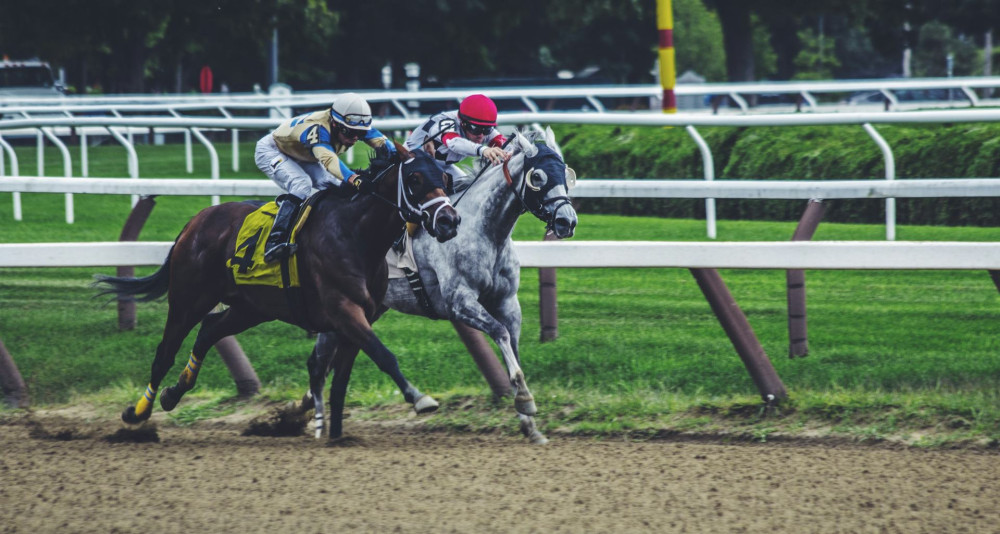
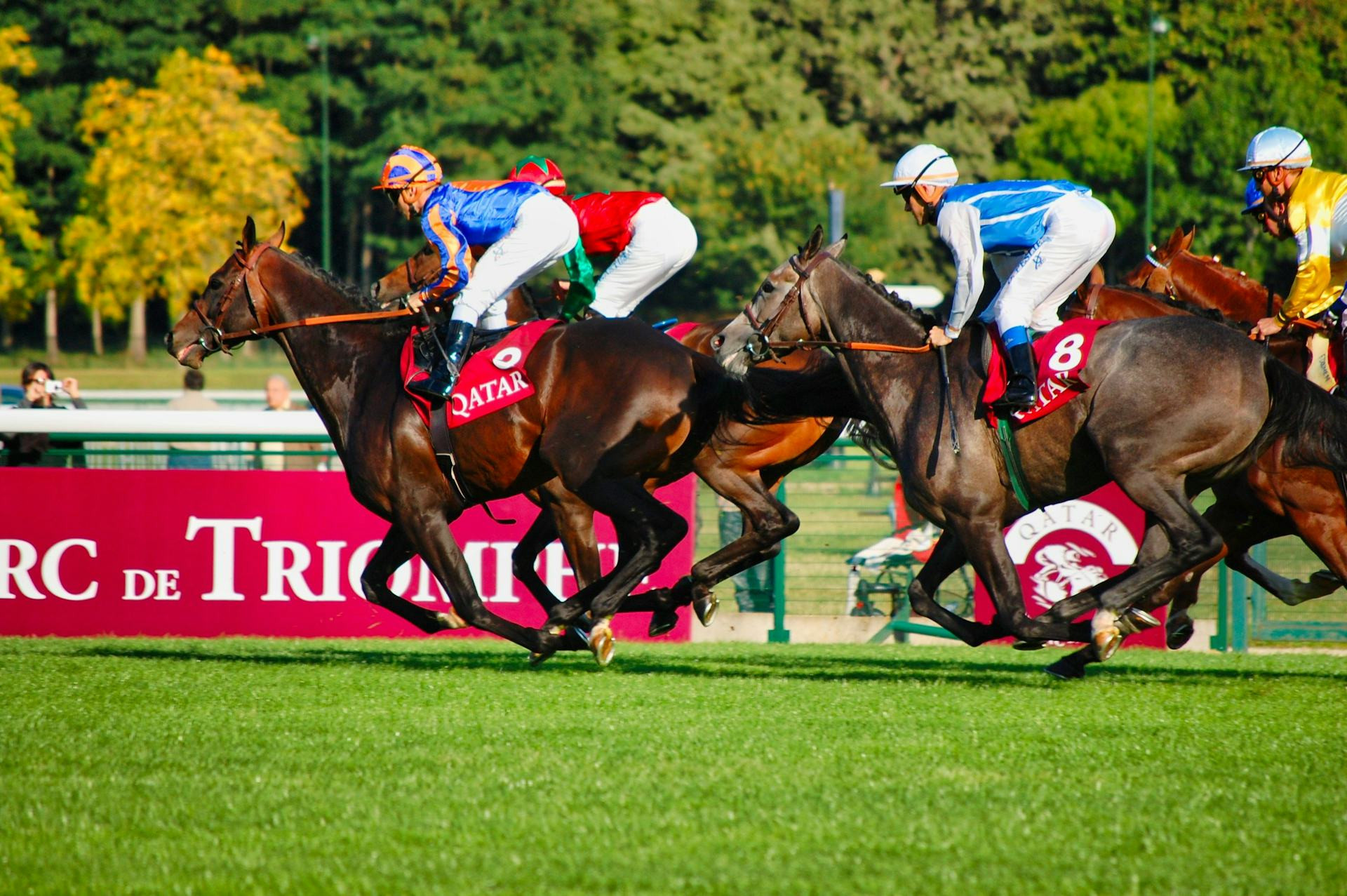
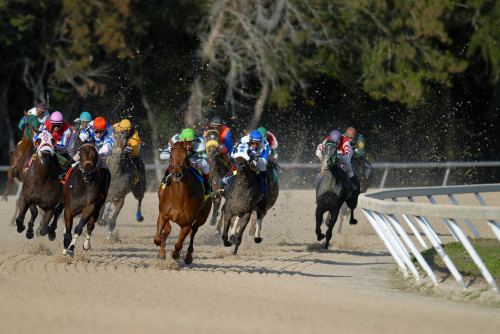
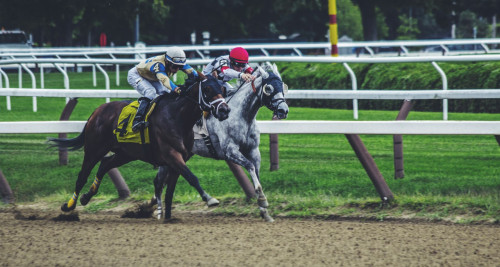
When a Thoroughbred thunders down the stretch at Churchill Downs or Saratoga, what we see is the culmination of more than three centuries of selective breeding. The Thoroughbred is not just a horse breed—it is a symbol of speed, endurance, and the human drive to refine nature in pursuit of excellence. Its story is inseparable from the rise of modern horse racing itself.
English Origins
The Thoroughbred’s roots trace back to late 17th- and early 18th-century England, where horse racing became a favorite pastime of the aristocracy. Wealthy landowners sought to breed faster, more agile horses by crossing native English mares with imported stallions from the Middle East and North Africa—particularly Arabians, Barbs, and Turkoman horses—renowned for their stamina and spirit.
Three stallions became the foundation sires of the entire breed: Byerley Turk, Darley Arabian, and Godolphin Arabian. Every Thoroughbred alive today can trace its lineage to at least one of these three. The blend of English mares and oriental stallions produced a new type of horse—lighter, faster, and more explosive than any before.
The Birth of the Stud Book
In 1791, James Weatherby published the first edition of the General Stud Book, cataloging all known Thoroughbreds in Britain. This was a revolutionary step that formalized breeding practices and ensured the purity of the bloodlines. Only horses that could prove descent from the original foundation stock were recognized as true Thoroughbreds.
This system of registration became the global standard and remains the cornerstone of the breed’s integrity today. It allowed breeders to track pedigrees, evaluate bloodlines, and plan matings with scientific precision—a practice that continues to define modern horse breeding.
From Aristocratic Pastime to National Sport
In the 18th and early 19th centuries, horse racing was largely an elite pursuit. Races were held on private estates, and the prizes were often honor and prestige rather than money. But as industrialization spread and railroads connected cities, racing became accessible to the public. Crowds could travel to racetracks, and betting transformed the sport into a national spectacle.
The Thoroughbred was the star of this new era. Its speed and grace captivated audiences, and breeding programs spread far beyond Britain—to Ireland, France, the United States, and eventually to Australia, Japan, and the Middle East. In America, the sport took root in the South and along the East Coast, with tracks like Pimlico and Belmont Park becoming legendary venues.
The Science of Breeding and Modern Innovation
Today, Thoroughbred breeding is a global industry that blends tradition with cutting-edge science. Breeders analyze pedigrees, performance data, and even genetic markers to predict which pairings might produce the next champion. Nutrition, veterinary care, and training methods have all evolved to support the quest for speed and soundness.
Yet, despite all the data and technology, there remains an element of mystery. A horse with impeccable bloodlines and expert training may never win a race, while an underdog can rise to greatness. This unpredictability is part of what keeps the sport alive and thrilling.
The Thoroughbred in American Culture
In the United States, the Thoroughbred has become a cultural icon. The Kentucky Derby, first run in 1875, is not just a race—it’s a national tradition, celebrated with mint juleps, elaborate hats, and a sense of history that connects generations. Horses like Secretariat, Man o’ War, and American Pharoah have transcended the sport to become symbols of determination and excellence.
Beyond the racetrack, the Thoroughbred has influenced countless other breeds, contributing speed, athleticism, and refinement to sport horses around the world. Its impact extends into art, literature, and film, where it continues to embody both natural power and human aspiration.
Læs også:

A Legacy That Still Runs Strong
Though the Thoroughbred’s story began more than 300 years ago, its legacy is far from over. Each foal born on a Kentucky farm or an Irish stud carries forward a lineage shaped by centuries of careful selection and passionate pursuit. The breed remains the benchmark for equine performance and the beating heart of horse racing worldwide.
The Thoroughbred is more than a horse—it is a living testament to humanity’s enduring fascination with speed, beauty, and the boundless possibilities of breeding and ambition.
Læs også: