Evaluate a Horse’s Performance – Without Using Advanced Statistics

Evaluate a Horse’s Performance – Without Using Advanced Statistics
Evaluating a horse’s performance might sound like something that requires spreadsheets, algorithms, and access to insider data. But you don’t need advanced analytics to get a solid sense of how a horse is doing. With careful observation, a bit of background knowledge, and common sense, you can form a reliable picture of a horse’s ability and potential. Here’s a practical guide to assessing performance the old-fashioned way—by watching, thinking, and noticing the details.
Look Beyond the Finish Line
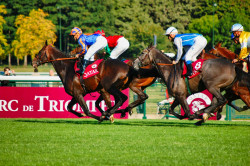
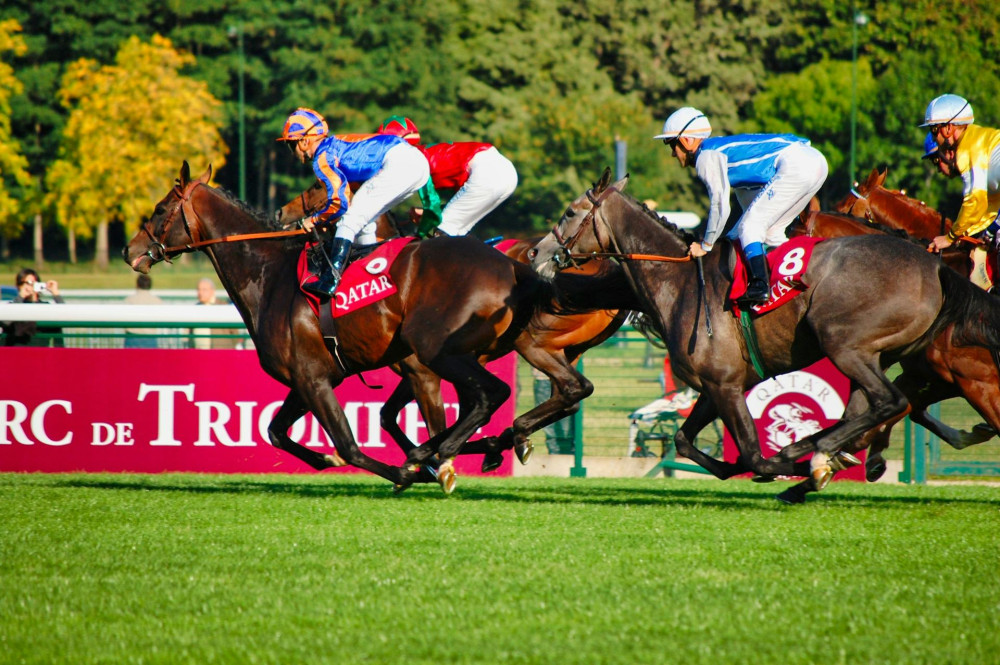
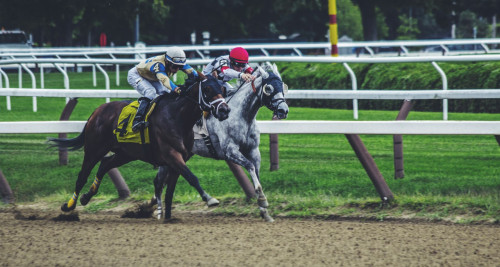
The first thing most people check is where the horse finished. But placement alone doesn’t tell the full story. A horse that finishes fourth might have run a stronger race than the winner if it had a poor start, got boxed in, or had to make up ground on the outside.
When you review a race, ask yourself:
- How did the race unfold?
- Did the horse have a clear path, or was it blocked?
- How did it respond in the stretch—did it fight on or fade?
By focusing on the performance itself rather than just the result, you’ll get a more accurate sense of the horse’s true form.
Watch the Horse’s Condition and Behavior
A horse’s body language reveals a lot. A fit, confident horse moves freely, with energy and focus. Its coat shines, its ears are alert, and it responds quickly to the rider’s cues. A tired or off-form horse may look heavy, lose rhythm, or hang on the bit.
Before the race, take a few minutes to observe the horse in the paddock or during warm-up:
- Is it calm and attentive, or nervous and sweating?
- Does it move smoothly in trot or gallop?
- Does it seem eager to run or distracted?
These small signs can give you valuable clues about how the horse is likely to perform once the gates open.
Know the Track and Conditions
Not all horses perform equally on every surface or track. Some thrive on firm dirt, while others prefer a bit of moisture. Weather, wind, and post position can all make a difference.
If a horse has struggled on a particular track or surface before, a poor showing there doesn’t necessarily mean it’s out of form. Always compare performances under similar conditions before drawing conclusions. A horse that runs well on a fast track in Kentucky might not look the same on a muddy day in New York.
Læs også:
Track Progress Over Time
One bad race rarely tells the whole story. What matters is the trend. Look at the horse’s last three to five races and ask:
- Is it finishing closer to the leaders?
- Is it maintaining speed longer?
- Does it seem more determined in the final stretch?
A horse showing steady improvement is often on the verge of peak form—even if the results don’t yet show it.
Consider the Jockey’s Influence
The rider plays a major role in how a horse performs. An experienced jockey can bring out the best in a horse, while a less seasoned one might struggle with timing or positioning. If you notice a change in jockey, pay attention to how that affects the horse’s performance.
Some horses also respond better to certain riders because of familiarity and trust. That kind of chemistry doesn’t show up in the stats, but you can spot it by watching races closely.
Trust Your Eyes—and Your Instincts
Seasoned horsepeople often talk about having “an eye for a horse.” That skill comes from combining observation, experience, and intuition. The more races you watch, the better you’ll get at recognizing when a horse is improving—or when it might need a break.
Keep a small notebook or digital log of your observations. Over time, you’ll start to notice patterns that aren’t obvious in the official results.
Simple Observations, Valuable Insights
Evaluating a horse’s performance without advanced statistics isn’t about guessing—it’s about seeing. By combining what you observe with knowledge of the horse’s condition, track preferences, rider, and recent progress, you can build a well-rounded understanding of its potential.
It takes patience and curiosity, but that’s part of what makes horse racing so captivating: there’s always more to discover if you take the time to look closely.
Læs også: