Does Your Betting Tip Account for the Key Race Factors?

Does Your Betting Tip Account for the Key Race Factors?
When you place a bet on a horse race, it’s easy to be swayed by odds, flashy names, or a horse’s last big win. But behind every race lies a mix of factors that can make or break your wager — and many bettors overlook them. If you want to improve your chances of picking a winner, it’s all about understanding how track conditions, weather, post position, and form interact. Here’s a breakdown of the key race factors every bettor in the U.S. should consider before placing that next bet.
Track Conditions – More Than Just Dirt or Turf
No two racetracks are exactly alike. Some are fast and firm, others deep and tiring. A horse that excels on a dry, compact surface might struggle when the track turns sloppy after rain. That’s why it’s crucial to know both the track type and the day’s conditions.
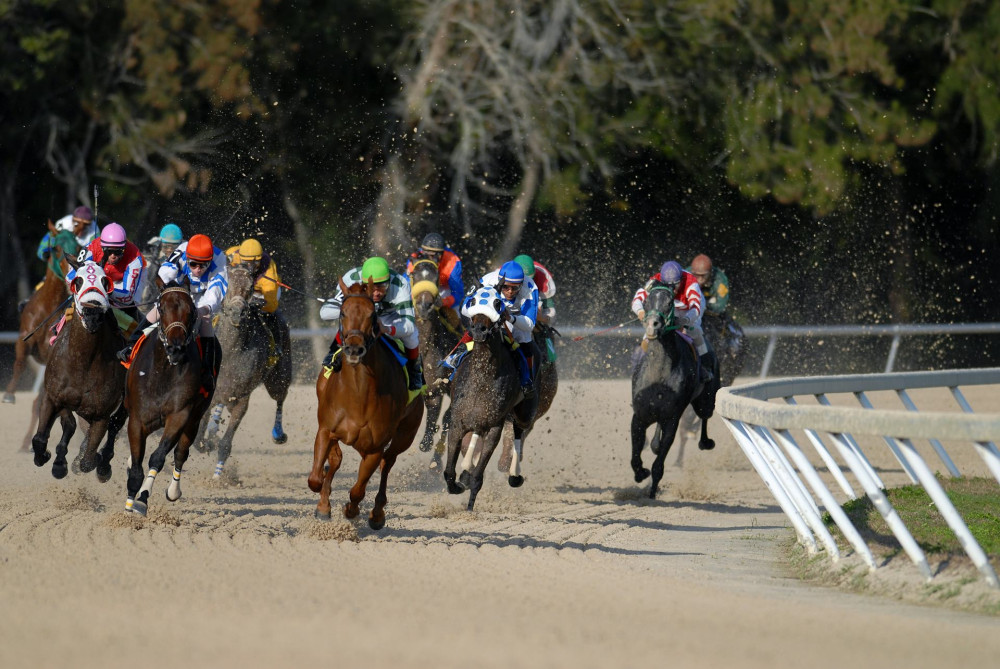
- Dirt tracks: Common across the U.S., they tend to favor speed and front-runners, especially when dry and fast. But when wet, they can become heavy and unpredictable.
- Turf tracks: Softer and more weather-sensitive. Horses with stamina and balance often perform better here, especially when the grass has some give.
- Synthetic tracks: Found at some U.S. tracks like Turfway Park or Golden Gate Fields, these surfaces are designed for consistency but can favor different running styles depending on maintenance and weather.
Always check the track condition report and review how your chosen horse has performed under similar circumstances.
Post Position and Race Dynamics
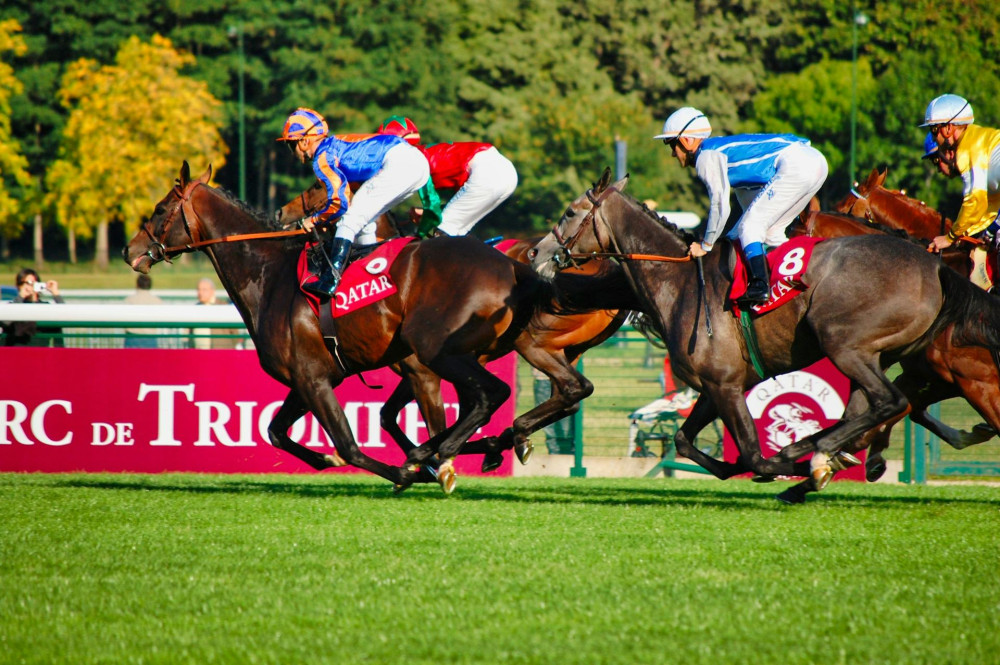
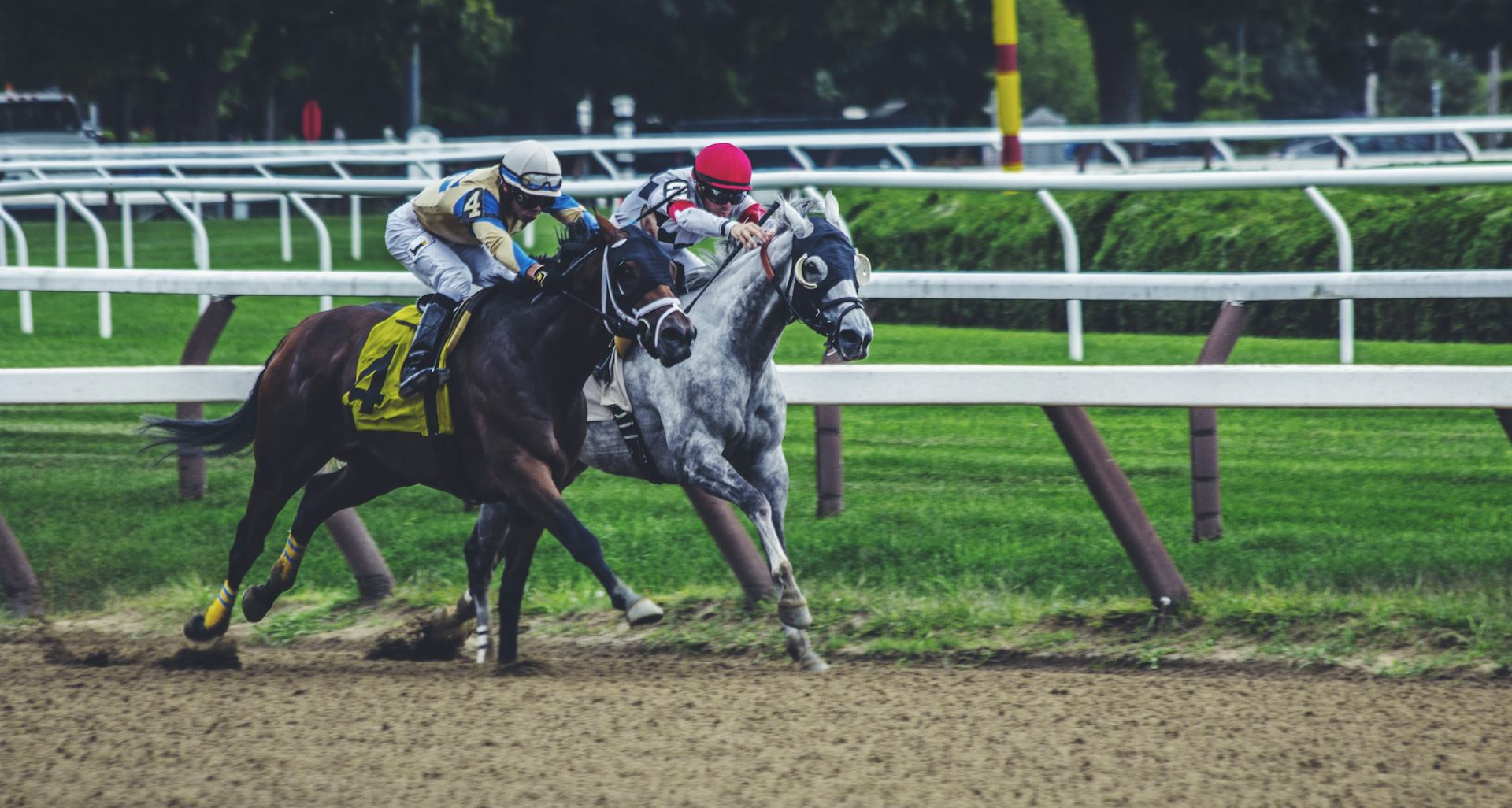
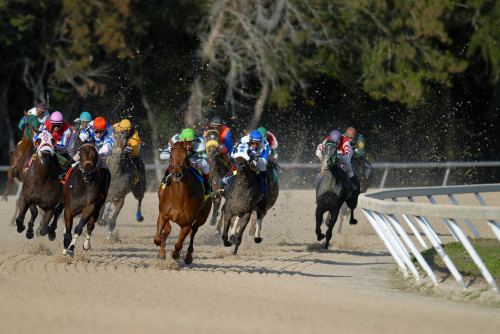
Post position can have a major impact — particularly in large fields or on tracks with tight turns. A favorable post can help a horse secure a good early position, while a wide draw might force it to expend extra energy early on.
At many U.S. tracks, inside posts are advantageous in sprints, where early speed matters most. On the other hand, in longer races or on turf courses with sweeping turns, an outside post can sometimes offer a cleaner trip with less traffic. Study the track layout and past race results to see how post position trends play out.
Horse Form and Fitness
Even the most talented horse can have an off day. That’s why recent form is often more telling than career stats. Look at the horse’s last few races — is it improving, holding steady, or declining? Has it been racing frequently or coming off a layoff?
Trainer comments, workout times, and equipment changes (like blinkers or shoe adjustments) can also signal how ready a horse is to perform. A sharp workout leading up to race day often indicates a horse in peak condition.
The Jockey and Trainer – The Human Element
While the horse is the athlete, the jockey and trainer play enormous roles in performance. A skilled jockey knows when to push, when to wait, and how to navigate traffic. Some riders are known for aggressive front-running tactics, while others excel at timing a late charge.
Pay attention to jockey-trainer combinations. Certain pairings have proven chemistry and higher win percentages. A familiar partnership can make a big difference, especially in high-stakes races where split-second decisions matter.
Weather – The Wild Card
Weather can change everything. Rain can turn a fast dirt track into a sloppy one, or make turf soft and demanding. Heat and humidity can sap a horse’s stamina, while strong winds can affect pace and positioning — particularly on open tracks like Belmont Park.
Check the forecast on race day and be ready to adjust your bets. Many seasoned bettors wait until just before post time to see how the track is actually playing.
Race Type and Distance
A horse that dominates in short sprints may not have the endurance for longer routes. Some horses have explosive early speed, while others are built for sustained runs. Always match the horse’s strengths to the race distance and type.
In U.S. racing, you’ll also see different race classes — from maiden and claiming races to allowance and graded stakes. A horse stepping up in class faces tougher competition, while one dropping down may find an easier spot. Understanding these nuances can help you spot value plays that others miss.
Læs også:

Putting It All Together
Accounting for every factor takes time and research, but it pays off. Start by focusing on three key areas: track conditions, form, and post position. As you gain experience, expand your analysis to include weather, jockey, and race type.
Create a simple checklist before you bet:
- Does the track condition suit the horse’s running style?
- Is the horse in good recent form?
- Does it have a favorable post and a capable jockey?
By combining these insights, you’ll form a more realistic picture of how the race might unfold — and avoid being swayed by hype or popular picks.
Bet Smart – and Enjoy the Sport
Horse racing is a complex, thrilling sport where countless variables come into play. That’s what makes it so captivating. As you learn to read races and interpret the subtle details, betting becomes not just more exciting, but more meaningful.
And remember: even the best analysis can’t guarantee a win. Bet responsibly, set limits, and treat wagering as part of the enjoyment — not a sure path to profit.
Læs også: