The Three Grand Tours – and Why They’re Crucial for Cycling Betting

The Three Grand Tours – and Why They’re Crucial for Cycling Betting
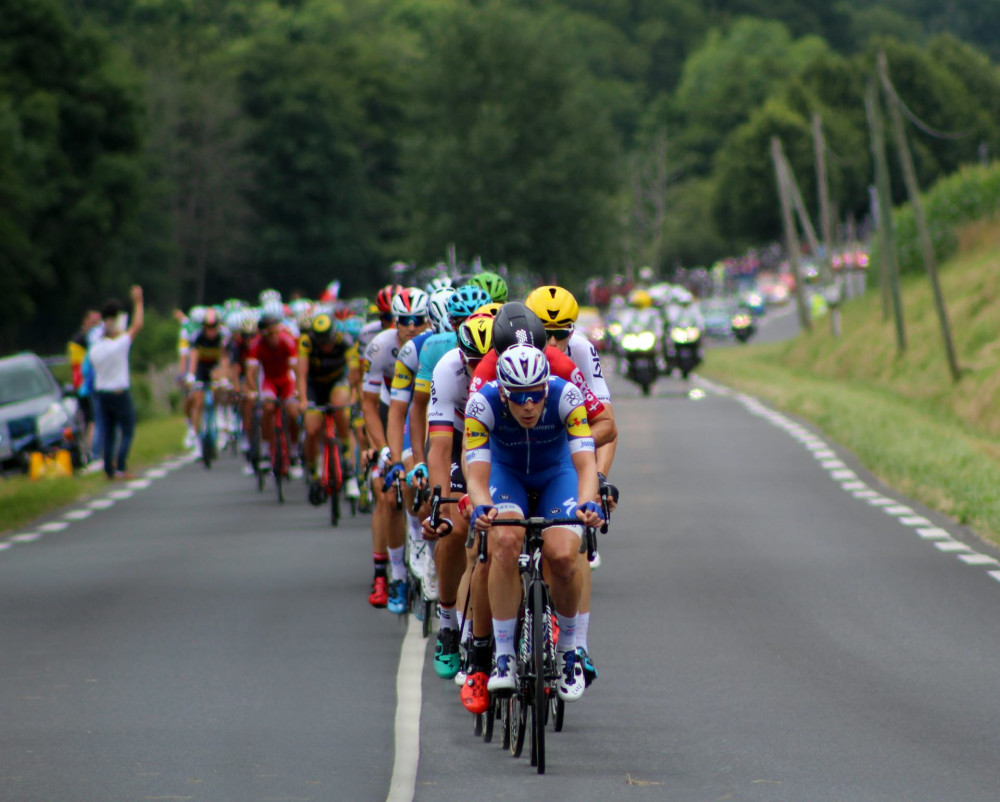
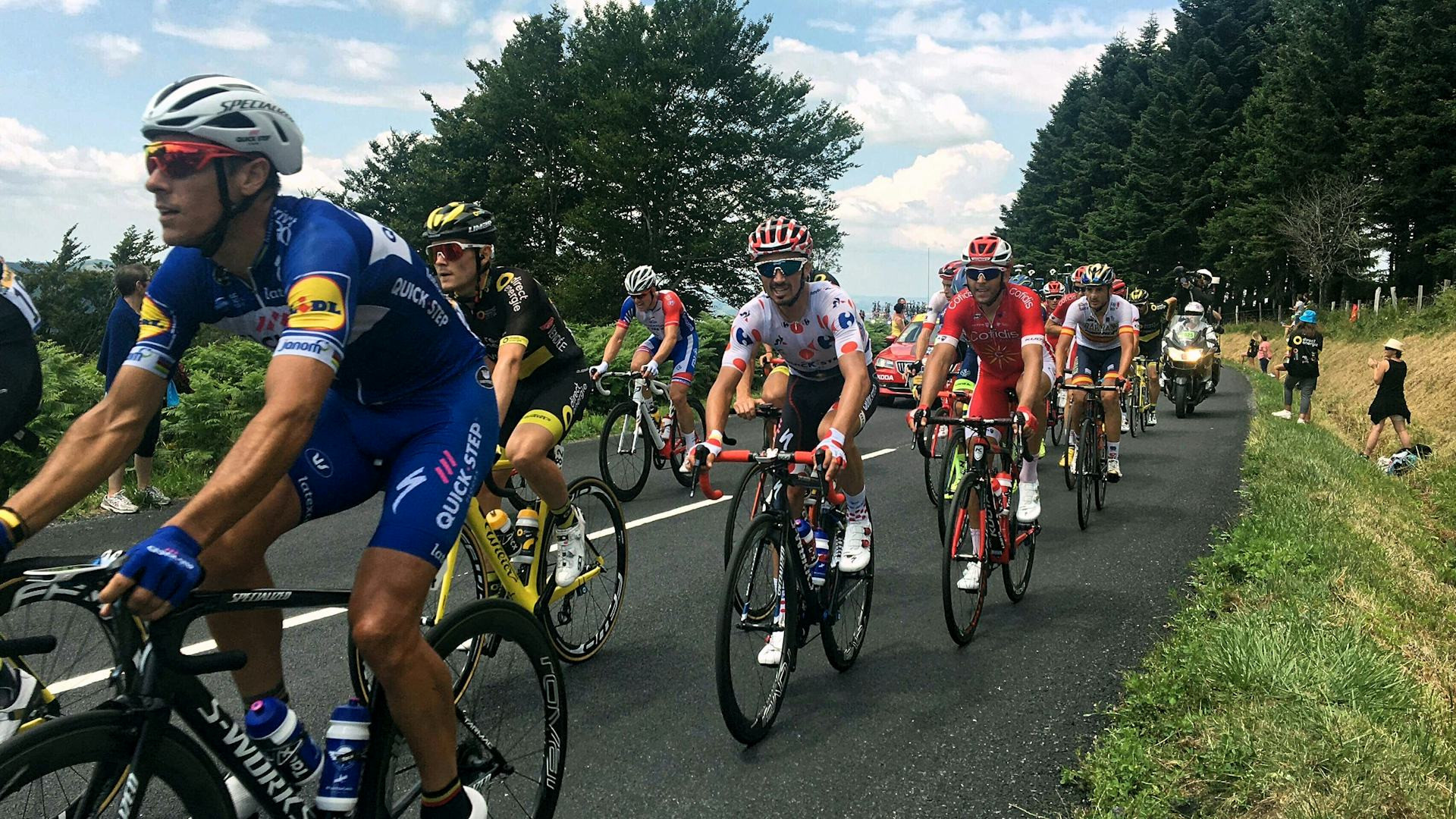
The three Grand Tours – the Giro d’Italia, the Tour de France, and the Vuelta a España – are the crown jewels of professional cycling. Each lasts three weeks, covers thousands of miles, and brings together the world’s best riders in a grueling test of endurance, strategy, and mental toughness. For fans, they’re the highlight of the cycling calendar. For those interested in betting, they’re the most important events to understand. Here’s a look at what defines each Grand Tour – and why they matter so much when analyzing and placing cycling bets.
Giro d’Italia – the Race of Unpredictability
Held in May, the Giro d’Italia opens the Grand Tour season. It’s famous for its dramatic routes through the Alps and Dolomites, where weather can shift from sunshine to snow in a single afternoon. That volatility makes the Giro one of the most unpredictable races – and therefore one of the most intriguing for bettors.
Riders who excel in the Giro tend to be those with exceptional endurance and the ability to handle chaos. For betting, that means looking beyond the obvious favorites and focusing on riders who thrive in tough, changeable conditions. A crash on a slick descent or a sudden snowstorm can completely alter the race – and the odds along with it.
Tour de France – Prestige, Pressure, and Predictability
The Tour de France, held in July, is cycling’s ultimate stage. It’s where the biggest teams bring their strongest lineups, and where global media attention is at its peak. The Tour is often more controlled than the Giro, with teams executing well-rehearsed strategies and protecting their leaders with precision.
For bettors, that control translates into a race that rewards careful analysis and patience. The favorites – usually riders backed by powerful teams and proven consistency – are more likely to hold their form over three weeks. At the same time, the Tour’s variety of stages offers multiple betting opportunities: sprints, mountain stages, and time trials. Tracking riders’ day-to-day form and spotting small shifts in odds can yield real value.
Vuelta a España – Late-Season Surprises
The Vuelta a España, run in August and September, closes out the Grand Tour season. It attracts a mix of riders: those seeking redemption after a disappointing Tour, and young talents eager to make their mark. The Vuelta’s routes are known for steep, explosive climbs and hot weather, demanding both physical resilience and mental focus.
From a betting perspective, the Vuelta is fascinating because it often produces surprises. Many riders are fatigued after a long season, and motivation levels vary widely. That opens the door for unexpected victories and high-value odds. Understanding which riders are still hungry for results – and which are simply finishing out the year – can make all the difference.
Why the Grand Tours Are the Key to Cycling Betting
The three Grand Tours aren’t just the biggest races of the year – they’re the benchmarks that shape the entire cycling season. Performances in these races influence team strategies, rider confidence, and bookmaker odds for months afterward. A rider who shines in the Giro may be priced lower for the Tour, while a disappointing Tour can create attractive odds for a comeback in the Vuelta.
For smart bettors, the key is to follow riders’ progress across all three races. How do they handle the mountains? How strong are they in time trials? How do they cope with pressure and fatigue? The more you understand these patterns, the better your chances of spotting value in the odds.
Data, Form, and Context – The Three Factors That Matter Most
When analyzing the Grand Tours from a betting perspective, three factors stand out:
- Form and Recovery: A rider who peaks too early may fade in the final week. Assessing when a rider is expected to hit top form is crucial.
- Team Strength: In modern cycling, no one wins alone. A strong team can protect its leader, control the race, and set up decisive moments.
- Motivation and Goals: Not every rider is chasing the overall win. Some target stage victories, while others use the race as preparation for later goals. That affects both tactics and betting potential.
Combining these factors with each race’s unique characteristics gives a more complete picture – and helps bettors make smarter, more informed decisions.
Læs også:

The Grand Tours as Cycling’s Compass
The Giro, the Tour, and the Vuelta are more than just three major races – they’re the compass of professional cycling. They reveal who’s rising, who’s fading, and how teams are evolving tactically. For anyone serious about cycling betting, they’re essential viewing. They offer not only world-class drama but also the clearest insight into how the season – and the odds – are likely to unfold.
Læs også: