Motivation and Goals: Understanding Riders’ Signals Before the Race
Motivation and Goals: Understanding Riders’ Signals Before the Race
When cyclists roll out for team presentations or warm-ups before a major race, it’s not just their legs doing the talking. Their body language, comments, and small routines can reveal a lot about how they’re feeling—both physically and mentally. For fans and bettors alike, these signals can be valuable clues: motivation and goals often determine how a race unfolds. But how can you read these signals, and what should you look for?
Motivation – The Invisible Engine
Motivation is the fuel behind every performance. In cycling, it can be the difference between sitting quietly in the peloton and launching a decisive attack. A rider chasing a contract renewal, redemption after a crash, or a personal milestone may race far more aggressively than one who has already achieved their season’s big win.
You can often hear it in pre-race interviews. Riders who talk about “taking their chances,” “showing themselves,” or “riding freely” are signaling an offensive mindset. On the other hand, phrases like “taking it day by day” or “supporting the team leader” suggest a more defensive or supportive role. That doesn’t mean the rider isn’t motivated—it just means their goal is different.
Goals – The Team’s Strategy in Action
No professional cycling team lines up without a plan. Some target stage wins, others focus on the overall classification, and some use the race to develop younger riders. Understanding a team’s goals is key to predicting how its riders will behave.
- Stage Wins: Riders with freedom to attack will often be visible in breakaways. They have everything to gain and little to lose.
- General Classification: Here, consistency and control are everything. The leader must be protected, and teammates sacrifice themselves to keep him safe and well-positioned.
- Form Building: Some riders use races as preparation for bigger goals. They might show flashes of strength but won’t risk everything for a result.
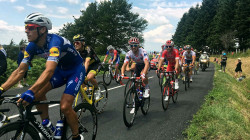
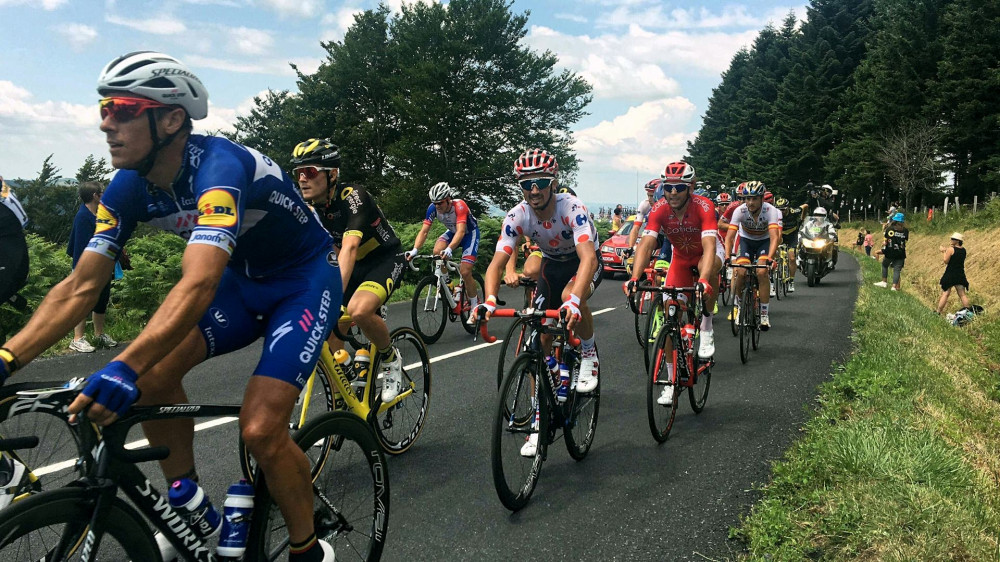
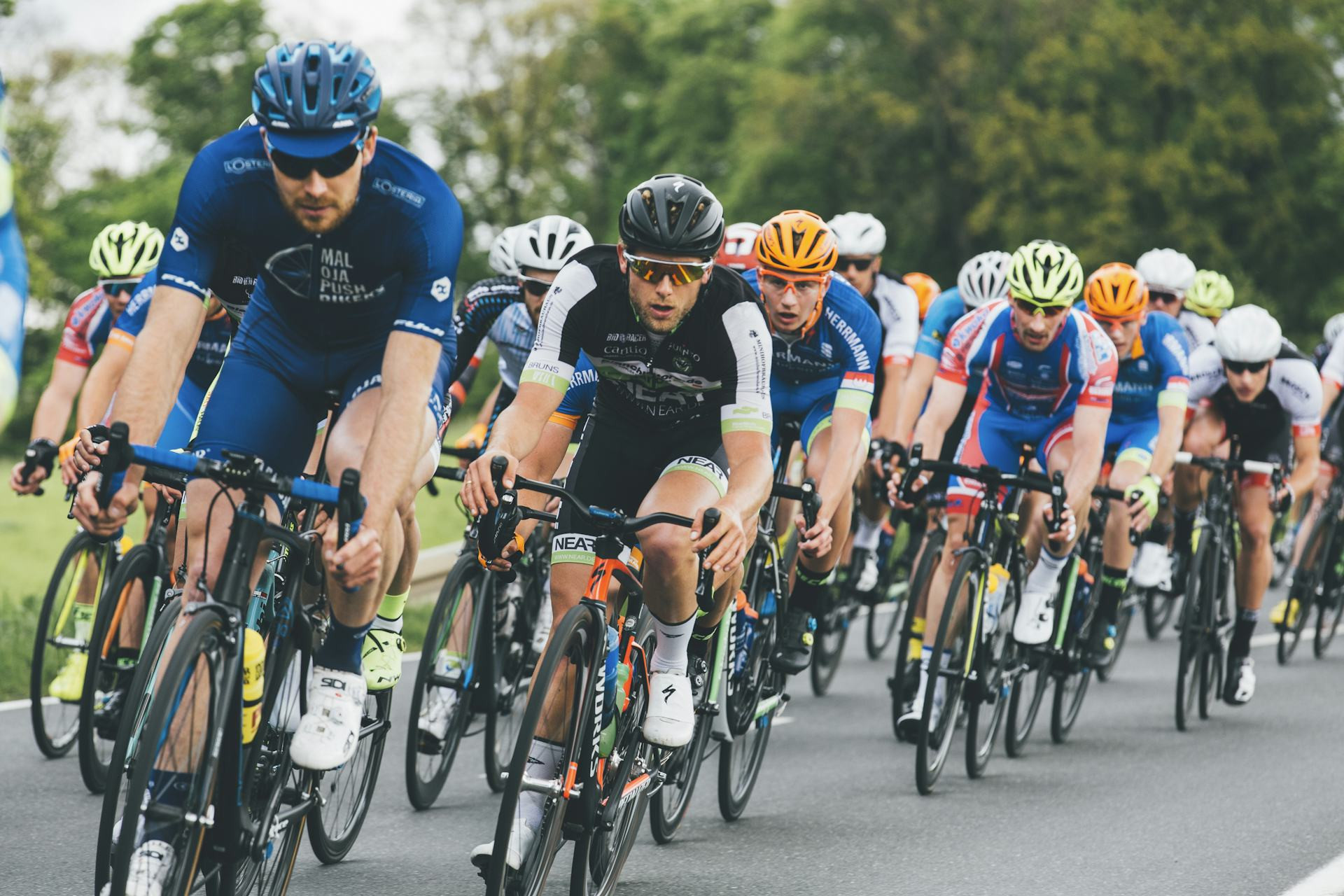
As the race unfolds, you can see these strategies in action: who takes turns at the front, who hides in the pack, and who seems to be conserving energy. These small details reveal where the focus lies.
Læs også:
Physical and Mental Signals Before the Start
Before the race even begins, you can often read a rider’s state of mind. A rider who smiles, chats with teammates, and looks relaxed is usually in a good place. Someone avoiding eye contact, fidgeting with equipment, or staying unusually quiet might be nervous—or simply laser-focused.
Warm-up routines also tell a story. Some riders spend a long time on the trainer to get their bodies firing, while others prefer to stay calm and save energy. A sprinter preparing for an explosive finish needs a thorough warm-up, while a domestique expecting a long day of steady work might take it easier.
When Words and Actions Don’t Match
Experienced observers know that riders’ statements aren’t always literal. Some downplay their form to avoid pressure, while others talk big to intimidate rivals. That’s why it’s important to compare what they say with what they do.
A classic example: a rider claims they’ll “take it easy,” yet positions themselves near the front from the very first mile. That’s a clear sign they’re feeling strong and ready to compete. Conversely, a rider who drops back early may be struggling—no matter what they said the day before.
Understanding Context – Reading Between the Lines
Motivation and goals can shift throughout a race. A rider who started as a helper might suddenly get a chance to lead if the team captain crashes or falls ill. A lost stage can ignite new determination, while fatigue or injury can extinguish it. That’s why following riders’ behavior day by day is so revealing.
For those who follow cycling closely—or even place bets on outcomes—it’s about combining observation, interviews, and race knowledge. The better you understand the riders’ signals, the more accurately you can assess who truly has something to fight for.
Motivation as the Key to Surprises
The biggest surprises in cycling rarely come from the obvious favorites. They often come from riders with something personal at stake—a local hero, a comeback story, or a young talent eager to prove themselves. When motivation runs high, it can elevate performance far beyond expectations.
Understanding riders’ signals before the race isn’t just for experts. It’s a way to connect with the human side of the sport. Behind every result lies a story of willpower, strategy, and dreams on two wheels.
Læs også: