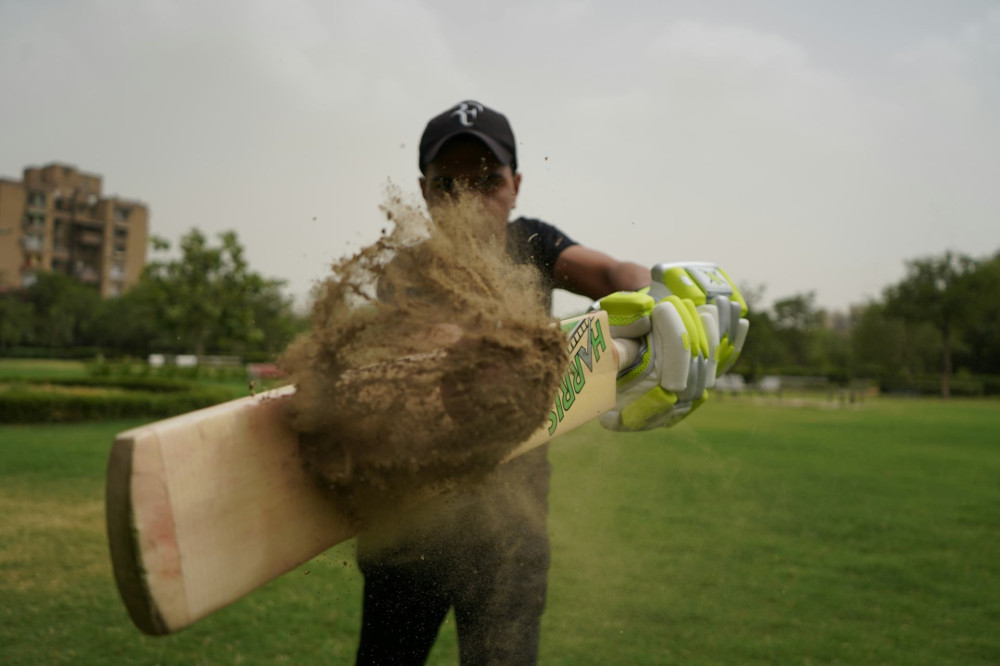
Reflect on Your Past Cricket Predictions and Sharpen Your Judgment


Reflect on Your Past Cricket Predictions and Sharpen Your Judgment
Predicting the outcome of a cricket match takes more than luck. It’s about understanding the rhythm of the game, interpreting statistics, and weighing human factors like form, motivation, and pressure. Even the most seasoned analysts get it wrong sometimes. What matters isn’t the mistake itself—it’s what you learn from it. By reflecting on your past predictions, you can strengthen your judgment and become a more disciplined, analytical thinker.
Look Back—With Purpose
The first step is to take an honest look at your previous predictions. Which ones were accurate, and which missed the mark? More importantly, why? Keep a record of your predictions: the match, the type of bet or forecast, your reasoning, and the result. When you review your notes later, patterns often emerge—you might notice that you overvalue home-field advantage or underestimate the impact of weather conditions.
Reflection isn’t about self-blame; it’s about understanding your decision-making process. What led you to that particular conclusion? Was it data, intuition, or perhaps the influence of others’ opinions? The better you understand your own motives, the easier it becomes to refine them.
Distinguish Between Luck and Judgment
Cricket is full of unpredictable elements—a sudden rain shower or a dropped catch can change everything. That’s why it’s crucial to separate good decisions that were undone by bad luck from poor decisions that happened to work out.
A sound prediction can still be “wrong” in outcome but right in reasoning. Conversely, a “correct” prediction might be pure chance. By focusing on the quality of your decision rather than the result, you train your judgment and avoid being swayed by short-term emotions.
Læs også:




Use Data—But Understand the Context
Statistics are essential in cricket, but they must be interpreted carefully. A batter’s impressive average might come from matches against weaker opponents or on pitches that favor batting. When reviewing your past predictions, ask yourself: did you use the numbers wisely, or were you dazzled by them?
Combine data with context—who’s playing, where, and under what conditions? A balanced approach that blends numbers with intuition produces the most reliable insights.
Avoid Common Thinking Traps
Even experienced fans fall into psychological traps. One of the most common is confirmation bias—the tendency to seek information that supports your existing belief. Another is overconfidence, where you overestimate your ability to predict outcomes.
When you revisit your past predictions, watch for these patterns. Ask yourself: did I ignore evidence that pointed the other way? Was I swayed by a favorite player or a popular team? Recognizing your own biases is one of the most powerful steps toward better judgment.
Build a Habit of Reflection
Reflection shouldn’t only happen after a loss. Make it a regular part of your process. After each match, spend a few minutes noting what you learned—about the game and about yourself as an analyst.
Over time, you’ll build a personal database of experience that becomes your greatest asset. You’ll start to see trends, refine your methods, and develop a more objective approach to prediction.
From Predictions to Insight
Reflecting on your past cricket predictions is ultimately about developing a more conscious way of thinking. It’s a shift from reacting to results to understanding causes. When you learn from your own patterns, you don’t just become better at forecasting matches—you become better at thinking strategically, assessing risk, and making sound decisions in every area of life.
Læs også: