Overtaking and Defense: Understanding the Tactical Evolution of Racing Through Analysis

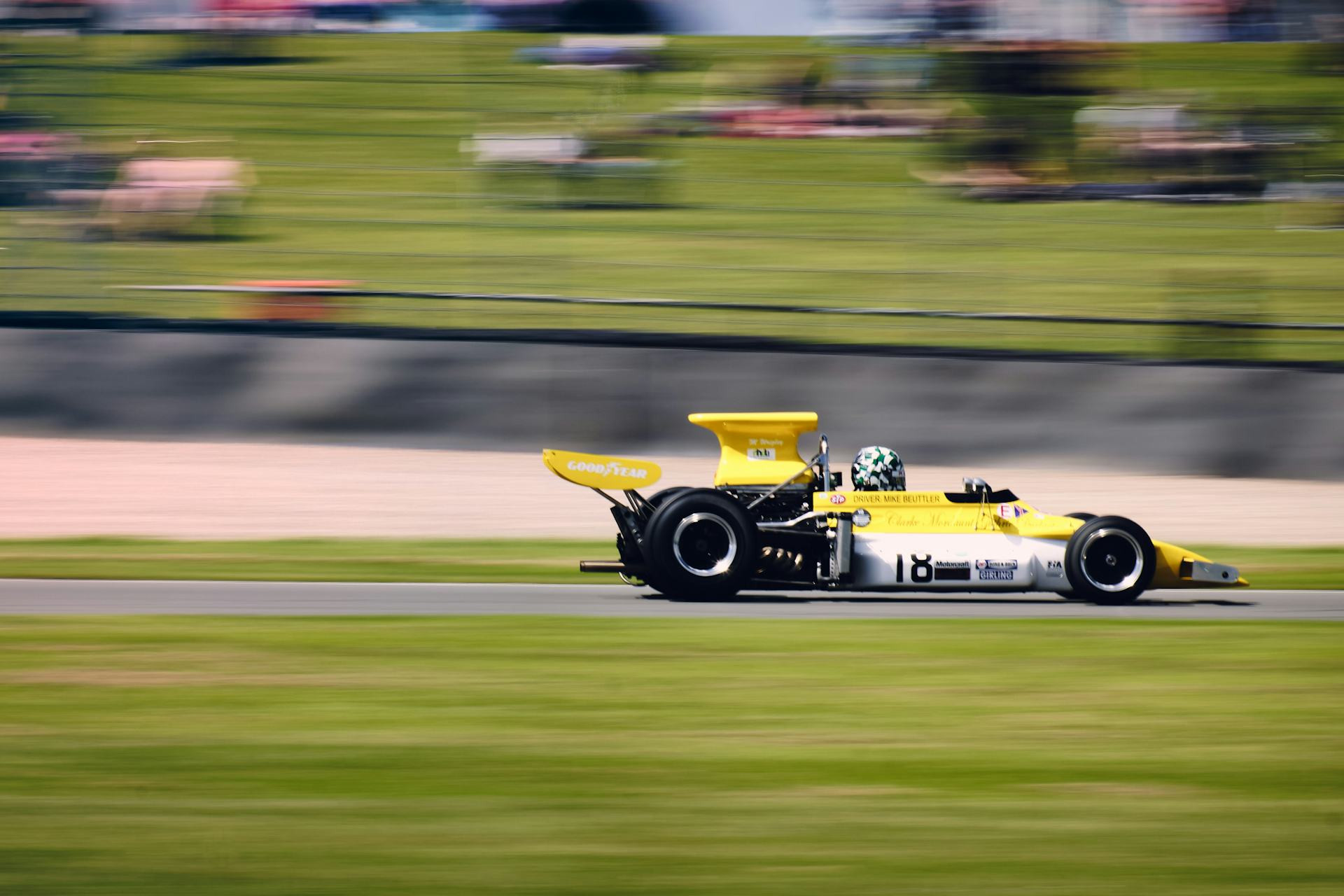
Overtaking and Defense: Understanding the Tactical Evolution of Racing Through Analysis
In motorsport, speed alone doesn’t win races. Behind every lap lies a complex tactical battle where overtaking, defending, and strategic decision-making determine who crosses the finish line first. To truly understand how a race unfolds—and to predict its outcome—one must look deeper into how drivers, teams, and track conditions interact. This article explores the key tactical elements that shape modern racing.
The Art of the Overtake
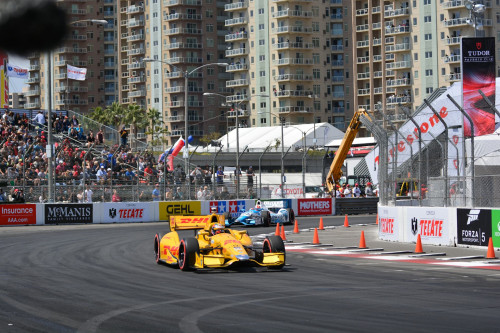
An overtake is rarely spontaneous. It’s the result of careful preparation over several laps. A driver must identify an opponent’s weaknesses, use slipstreaming effectively, and choose the perfect moment to brake later or accelerate earlier.
On high-speed circuits like Monza or Circuit of the Americas, top speed and DRS (Drag Reduction System) are crucial tools. On tighter, more technical tracks such as Monaco or Miami, overtakes are rare, and drivers must rely on psychological pressure to force mistakes. Analysts often study data such as sector times, tire temperatures, and energy deployment to determine when an overtake is realistically possible.
Læs også:

Defense – More Than Just Blocking
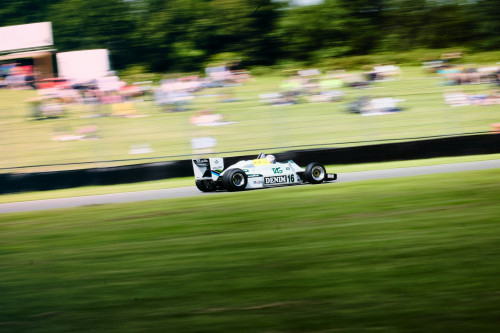
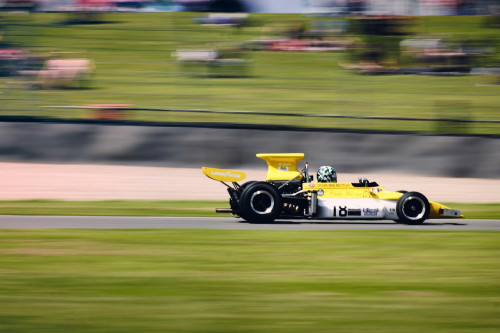
Defending a position requires as much skill as attacking. A seasoned driver knows how to place the car strategically to make overtaking difficult—without crossing the line into dangerous driving.
Effective defense is about controlling pace and racing line through corners. By choosing a defensive entry, a driver can force the attacker to take a longer route, often costing valuable time. However, excessive defensive driving can wear out tires and compromise long-term strategy, so balance is key.
Strategy and the Evolution of the Race
Even the most spectacular overtake means little without the right strategy behind it. In modern racing—especially in Formula 1—pit stop timing, tire selection, and race pace management are decisive factors. An early pit stop can create an undercut, using fresh tires to gain time on rivals who stay out longer. Conversely, an overcut can work if a driver maintains strong pace on worn tires while others struggle in traffic after their stops.
Weather adds another layer of complexity. A sudden rain shower can turn a race upside down, rewarding teams that react fastest. Race analysis, therefore, isn’t just about speed—it’s about understanding probabilities, timing, and risk management in real time.
Data Analysis – The Modern Key to Racing Insight
Today, motorsport is as much about data science as it is about driving skill. Teams collect millions of data points during a race: speed, brake pressure, tire wear, fuel consumption, and more. These metrics help engineers and strategists predict when an overtake might be possible or when a tire will lose grip.
For fans and analysts, access to this data provides a deeper understanding of how a race develops. By comparing sector times and telemetry, one can pinpoint where a driver gains or loses time—and anticipate where the next battle might occur.
The Psychology of the Duel
When two drivers fight wheel-to-wheel, the contest becomes as psychological as it is physical. Experienced racers use subtle movements, changes in pace, or positioning to unsettle their opponents. Over time, this mental warfare can determine who gains the upper hand.
A classic tactic is to repeatedly appear in an opponent’s mirrors—not to overtake immediately, but to create doubt. The slightest hesitation can open the door for a successful move in the next corner. Confidence, patience, and composure often separate victory from defeat.
From Analysis to Prediction
For dedicated fans, analysts, and even bettors, understanding the tactical evolution of a race is essential. By studying past performances, track characteristics, and driver tendencies, one can form a realistic picture of how a race might unfold.
It’s not about luck—it’s about insight. Those who grasp how overtaking and defense evolve throughout a race can often sense when momentum shifts—and who will emerge strongest when it matters most.
Læs også: